
Klondike Solitaire
 Pizza Maker
 fortune cookie
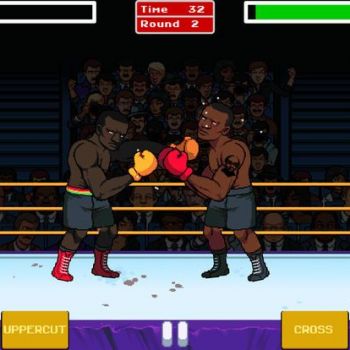 Big Shot Boxing
 Detonate
 On On Dash
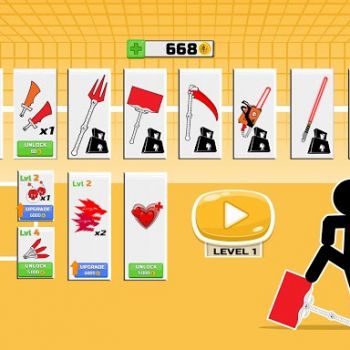 stickman fighter
 Cubes 2048
 Geometry Dash
 Traffic Jam 3D
 Suika Game
 Slope Game
 Temple Run 2
 A Difficult Game About Climbing
 Subway Surf Fantasy Fest
 Getting Over It
 Monkey Mart
 Friday Night Funkin
 Challenge The Runners
 Geometry Dash Subzero
 Cannon Balls 3D
 Basket Random
 2048
 Tiny Fishing
 Geometry Dash World
 Drift Boss
 Draw Climber
 Paint Strike
 Death Run 3D
 Sushi Party
 Doodle Jump
 Geometry Dash 23
 Drive Mad
 Geometry Dash Meltdown
 Drift Hunters
 Capybara Clicker
 Stick Merge
 Just Fall LOL
 Hungry Shark Arena
 Smash Karts
 BasketBros
 Slice Masters
 Impostor
 Snack io
 Geometry Dash Family
 Slaughterhouse Escape
 Circle The Cat
 Tunnel Rush
 Poppy Playtime
 Dreadhead Parkour
 Uno Online
 Crossy Road
 Geometry Dash Lite
 Tic Tac Toe
 Geometry FreezeNova
 Amanda The Adventurer
 Geometry Dash Polar
 Geometry Dash Asadal
 Geometry Dash Another Game
 Shell Shockers
 Level Devil
 Geometry Dash Maze Maps
 Super Mario Rush
 Papa's Pancakeria
 House Of Hazards
 Stick War
 Om Nom Run
 Hill Climb Race Egg
 Merge Fruits
 Drift 3
 Toon Cup
 Fish Eat Fish
 Geometry Dash Homura
 Eggy Car
 SS Euro Cup
 Battleship Online
 Geometry Dash Vociferous
 Sunkenland
 Merge Fruit
 Narrow One
 Banana Game
 Chess Classic
 Zombs Royale
 Storyteller
 Color Sort Mania
 Dominoes Classic
 Flappy ZigZag
 Geometry Dash Spam
 Impossible Bus Stunt
 Geometry Dash Wave
 Soccer Random
 Geometry Vibes
 Geometry Dash Deadlocked
 Slope 2
 Run 3
 Geometry Arrow
 Metal Shooter Slug
 Bloons Tower Defense
 Geometry Arrow 3D
 Block Jam
 Thumb Wars
 Cookie Clicker City
 Tap Tap Shots
 Geometry Escape
 Geometry Dash 3D
 Help Me Tricky Story
 RPG Pixel Hero: Crimson Quest
Overview of Klondike Solitaire
Klondike Solitaire is one of the most recognizable single player card games in the world. It is often the first game that new players encounter when they explore classic solitaire collections. The game uses a standard deck of fifty-two cards and challenges the player to arrange the cards into ordered piles by suit. The appeal of Klondike lies in its blend of chance and strategic decision making, making each session feel fresh even after many repetitions.
Because the game is widely available on web portals, mobile devices and desktop applications, it has become a staple for anyone looking for a quick mental workout. The simple premise hides a depth that keeps players returning for more. Whether you are playing during a short break or settling in for a longer session, Klondike Solitaire offers a satisfying puzzle experience that can be enjoyed by players of all skill levels.
Gameplay Basics and Practical Tips
The layout of Klondike Solitaire consists of seven columns known as the tableau, a separate stack called the stock, a waste pile, and four foundation piles. The goal is to move all cards to the foundations, building each suit from ace to king. The tableau starts with a varying number of face‑up cards, while the remaining cards remain hidden until uncovered.
When you begin a game, focus on exposing hidden cards as quickly as possible. Moving a card from the tableau to a foundation creates space that can be filled with a king, which is the only card that may start a new tableau column. Keep an eye on the stock and waste pile; drawing cards strategically can open new moves that were not apparent at first glance.
A useful habit is to alternate between building on the foundations and rearranging the tableau. If you notice that a particular suit is stuck in the waste pile, try to free a lower rank of that suit from the tableau so that the waste card can be placed onto the foundation. This approach reduces the number of cards that remain in the waste and increases the chance of completing the game.
Developing a Winning Strategy
Successful players often adopt a methodical approach rather than relying solely on luck. One effective strategy is to prioritize moves that uncover the most hidden cards. For example, moving a queen that sits on a face‑down card reveals that card and may create a cascade of additional moves.
Another key principle is to keep the tableau columns balanced. Avoid concentrating too many high cards in a single column, as this can block lower cards that are needed later. When you have the option to place a card on either of two tableau piles, choose the column that will free a hidden card sooner.
Patience is essential when the stock is limited. Some versions of the game allow you to recycle the waste pile back into the stock after a certain number of passes. If this rule applies, consider waiting until you have exhausted all possible moves before reshuffling, as each pass reduces the number of opportunities to create new sequences.
Common Pitfalls and How to Avoid Them
New players often make the mistake of moving cards to the foundations too early. While it may feel satisfying to see an ace appear, doing so can limit your flexibility in the tableau. Hold back on placing a card on a foundation if it could be used to free a hidden card in the tableau.
Another frequent error is neglecting the waste pile. The waste can contain valuable cards that are crucial for completing a sequence. Regularly review the top card of the waste and consider whether it can be moved to a tableau column before drawing new cards from the stock.
Finally, avoid creating long sequences of cards in a single column that cannot be broken apart. If you notice a column becoming too tall, look for opportunities to move a king or a sequence starting with a king to an empty column, thereby creating additional space for maneuvering.
Frequently Asked Questions About Klondike Solitaire
Is it possible to win every game of Klondike Solitaire?
The outcome of each game depends on the initial shuffle of the deck. Some deals are unsolvable regardless of the strategy employed. However, employing the tips described above can significantly increase the win rate.
How many passes through the stock are allowed?
The number of passes varies depending on the specific version of the game you are playing. Some online platforms allow unlimited passes, while others limit the player to a single pass. Check the game settings to understand the rules that apply.
Can I play Klondike Solitaire on mobile devices?
Yes, the game is widely available on mobile browsers and dedicated apps. The interface is adapted for touch input, allowing you to drag and drop cards with ease.
What is the best way to manage the waste pile?
Regularly examine the top card of the waste and move it to the tableau whenever possible. This practice prevents the waste from becoming a bottleneck and keeps the flow of the game smooth.
Are there variations of Klondike Solitaire that change the difficulty?
Several variations exist, such as those that limit the number of stock passes or require the player to build foundations in a different order. These versions can provide a fresh challenge for experienced players.